
Article published on 1 October 2026
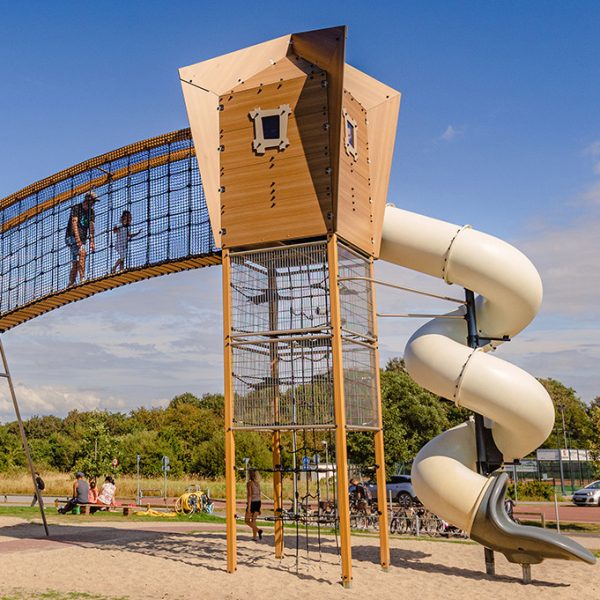
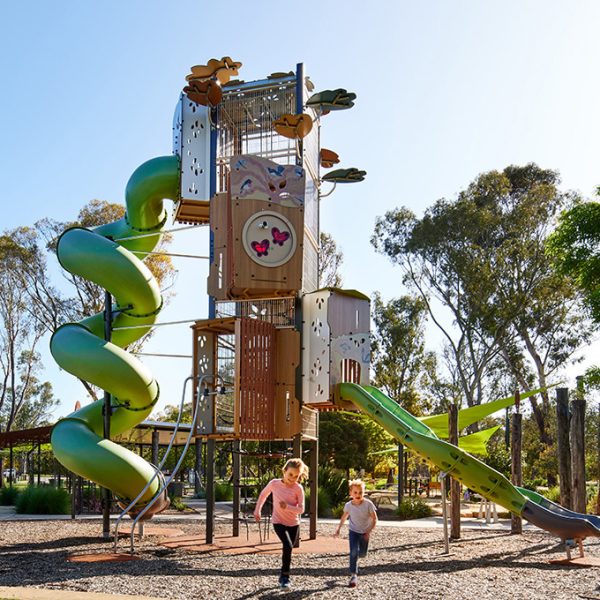
Outdoor playgrounds represent a major challenge for local authorities and designers, who must create spaces that do more than simply provide entertainment. They should also support the psychomotor development of younger users and, more broadly, benefit users of all ages. Innovation in the outdoor play sector has led to a fundamental rethink of design approaches, incorporating concepts such as inclusion, environmental sustainability and the integration of new technologies.
Design for All and the Design of Innovative Outdoor Playgrounds
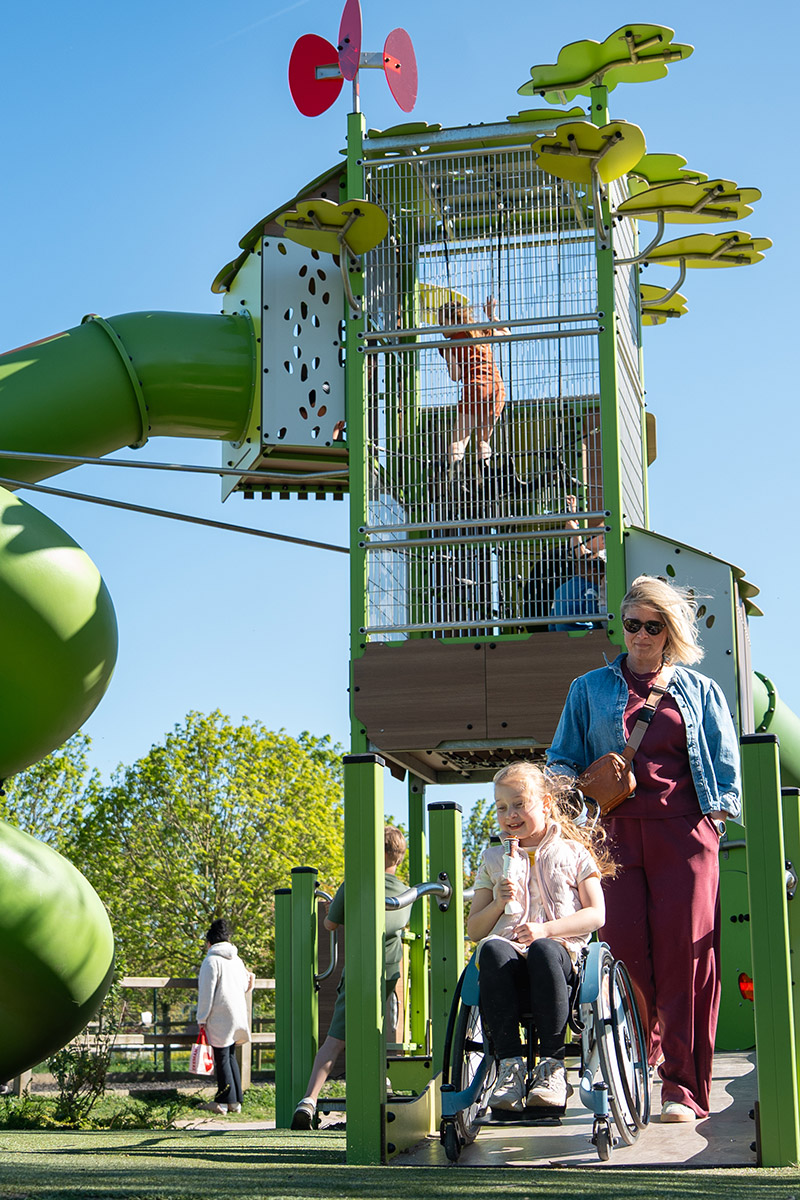
Play equipment should be designed according to Design for All principles, with particular attention paid to the following:
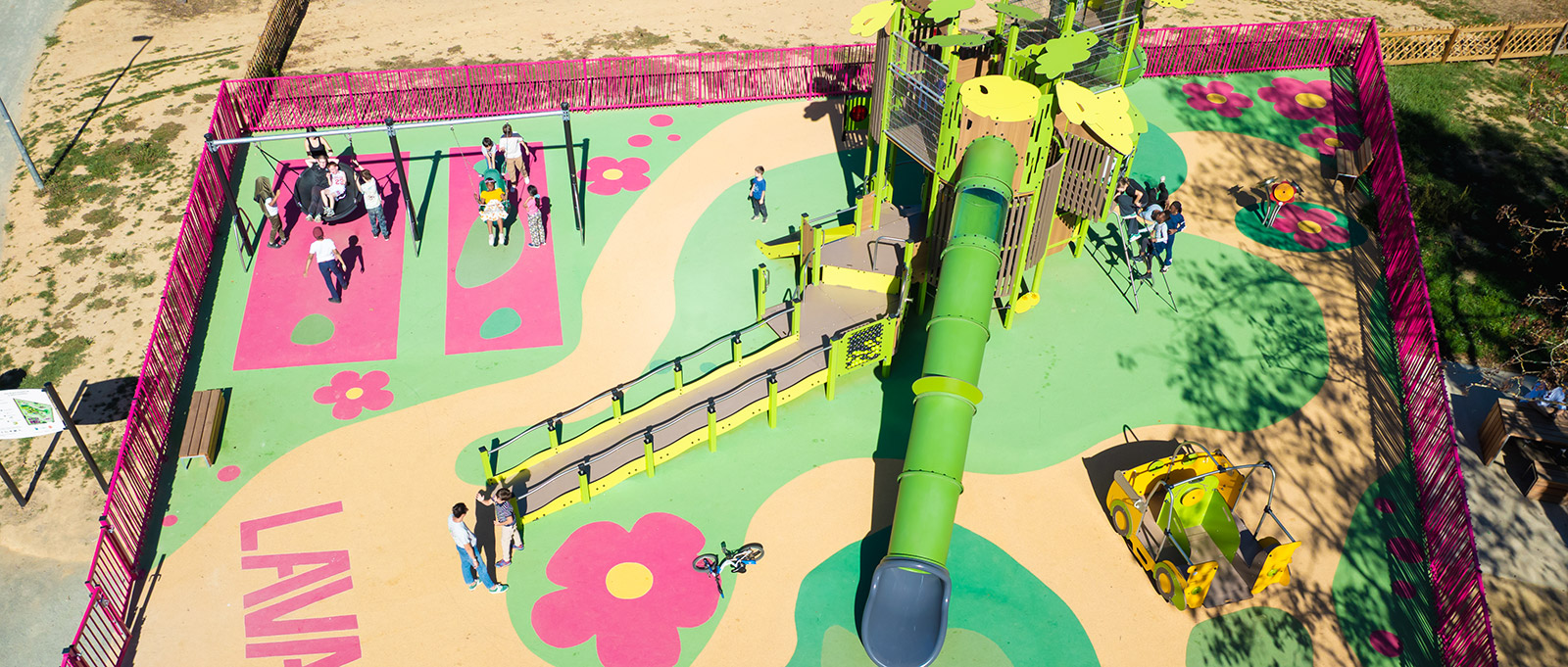
- ergonomic transfer areas equipped with supports and handles to facilitate transfer from a wheelchair to play structures, together with side protection;
- access ramps with a maximum gradient of 6% and handrails on both sides;
- intermediate platforms measuring at least 150 × 150 cm, allowing wheelchair users to make a full turn;
The sensory and cognitive dimension of play can be enhanced through:
features that encourage cooperative play between children with different abilities.
- quiet areas that promote calm and provide sensory relief for children with heightened sensory sensitivity;
- musical panels offering different tones and frequencies and accessible at different heights;
- tactile surfaces incorporating a variety of textures and natural materials;
- role-play activities and interactive panels that encourage communication and social interaction;
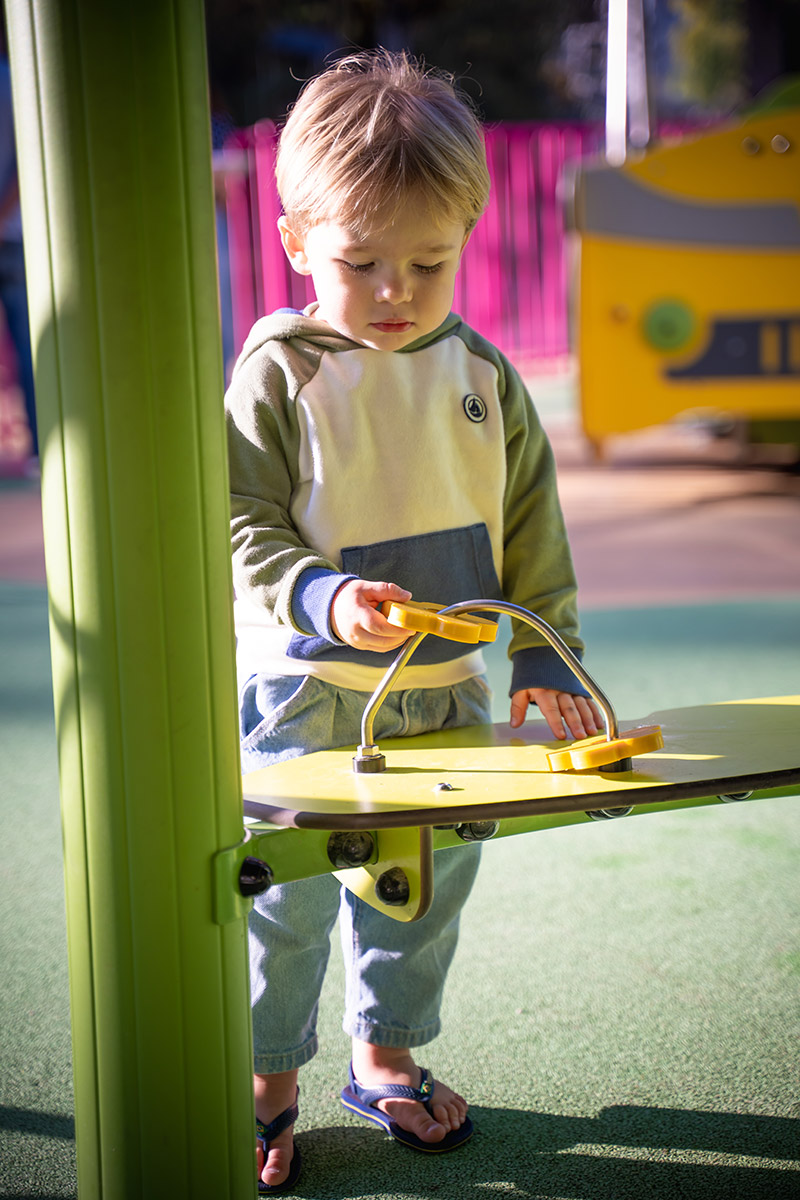
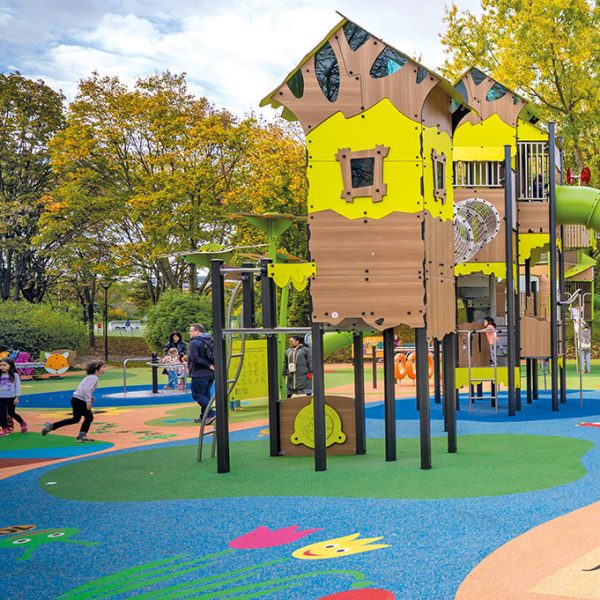
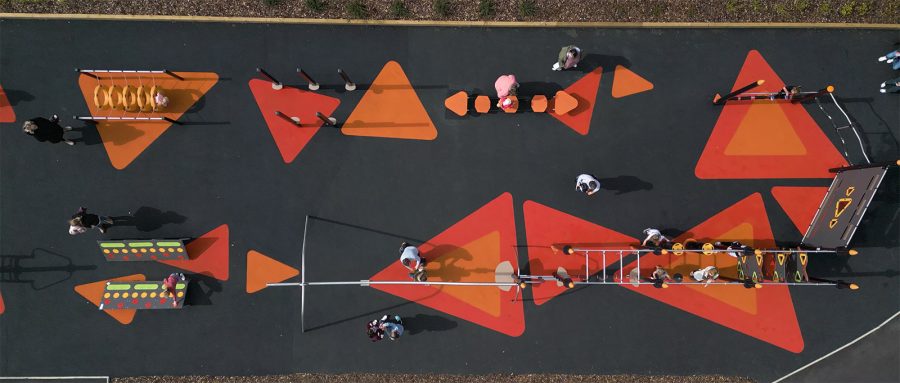
The layout of the equipment should follow a progression in difficulty, allowing each child to find their own comfort level and progress at their own pace. Spaces between equipment should be appropriately dimensioned to enable safe movement and encourage social interaction, with shaded rest areas incorporated into the play route.
Technological Innovation and Environmental Sustainability
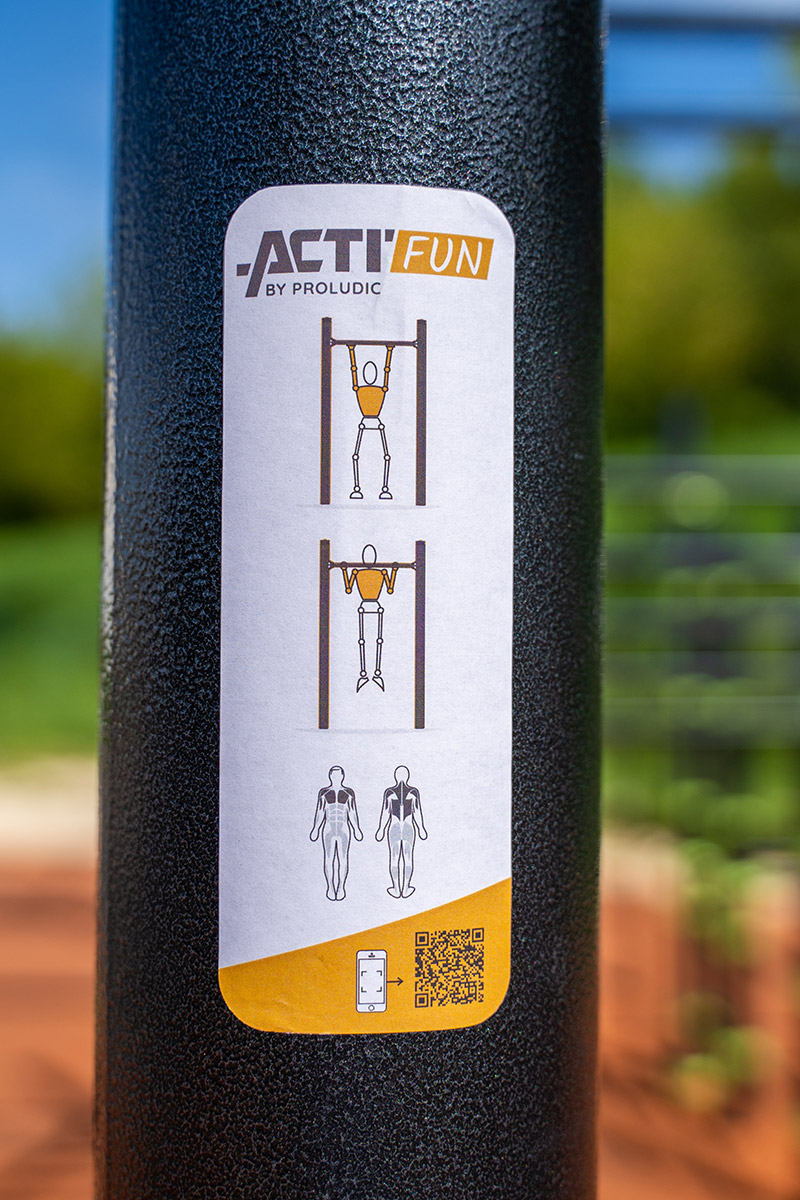
The integration of technology into modern playgrounds opens up new possibilities for learning and entertainment while also taking environmental considerations into account. Local authorities can, for example, implement:
- interactive features combining physical activity and digital content, such as QR codes providing access to educational content or playful challenges. These systems can be updated remotely, helping to maintain user interest over time;
- LED lighting systems powered by solar panels, helping to reduce operating costs and environmental impact. Motion sensors can also optimise energy consumption by activating lighting only when needed.
The choice of materials should prioritise eco-responsible solutions, such as FSC-certified wood, recycled plastics and high-quality stainless steel. The use of non-toxic paints and weather-resistant materials helps ensure the durability and safety of the installations.
Looking to Design Innovative Outdoor Playgrounds? Let’s Stay in Touch
The design and development of innovative playgrounds require strong expertise and in-depth knowledge of technical standards, universal accessibility principles and the latest innovations in play equipment. With more than 35 years of experience in the sector and a state-of-the-art Research & Development department, Proludic positions itself as a strategic partner for local authorities in the creation of next-generation play spaces.
Our team of specialist designers and technical advisors supports public-sector stakeholders at every stage of the project: from the initial analysis of the site and its context to the development of customised solutions, from selecting the most appropriate equipment to providing post-installation support.
The aim is to ensure the highest quality and safety standards for play spaces, while optimising investment and ensuring that the final solution fully meets the needs of the project.
More Tips from Experts
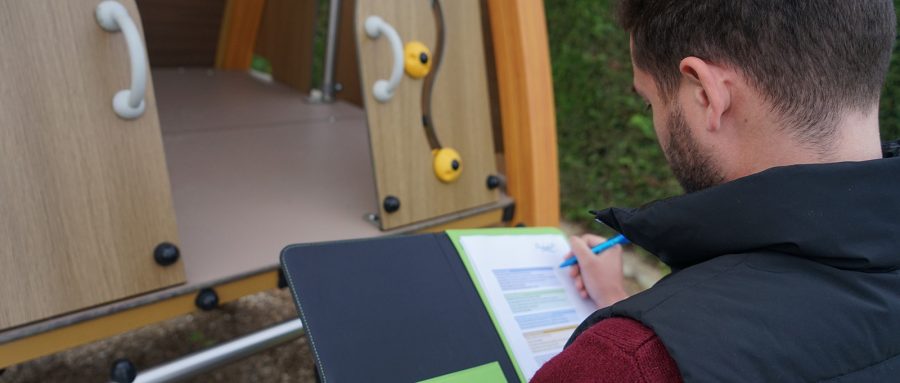
Playground Safety: When Can a Playground Be Considered Safe?
Article published on 1 October 2026
A playground must meet certain requirements relating to manufacturing, design, maintenance, management and signage in order to ensure user safety. The European standard governing playground design allows a certain degree of freedom in equipment design in order to preserve its playful and educational nature. Indeed, children need to experience controlled risks, learn to explore and...
What Grants Are Available to Fund a Playground or Sports Area Project?
Article published on 1 October 2026
Funding a playground or sports area can quickly become a complex process. With a wide range of funding schemes, eligibility criteria specific to each funding organisation and deadlines to meet, it is not always easy for a local authority to identify the funding opportunities best suited to its project. Drawing on its experience working with...


