
Article published on 3 November 2026
Creating a playground or sports area involves making numerous decisions, from choosing the site and selecting equipment to specifying surfacing and amenities that contribute to the comfort and effective functioning of the space.
If certain decisions are made too quickly or without considering the project as a whole, they can complicate its implementation, compromise the quality of the user experience and affect the long-term sustainability of the facility.
Proludic highlights five common mistakes that can jeopardise the success of a playground or sports area.
Mistake No. 1: Choosing a Location Without Assessing All Its Constraints
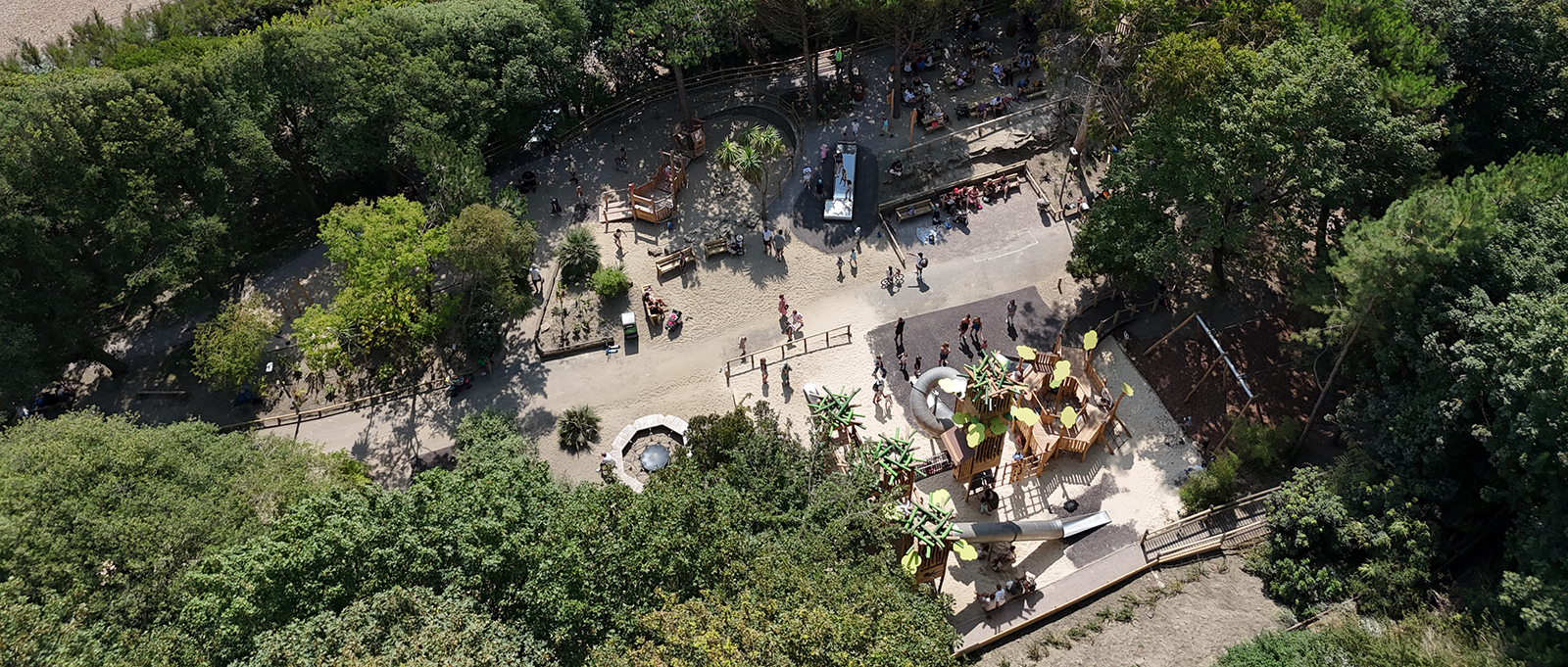
An available space is not necessarily a suitable location for a playground or sports area. Before confirming the site, it is essential to assess its technical characteristics, immediate surroundings and access conditions.
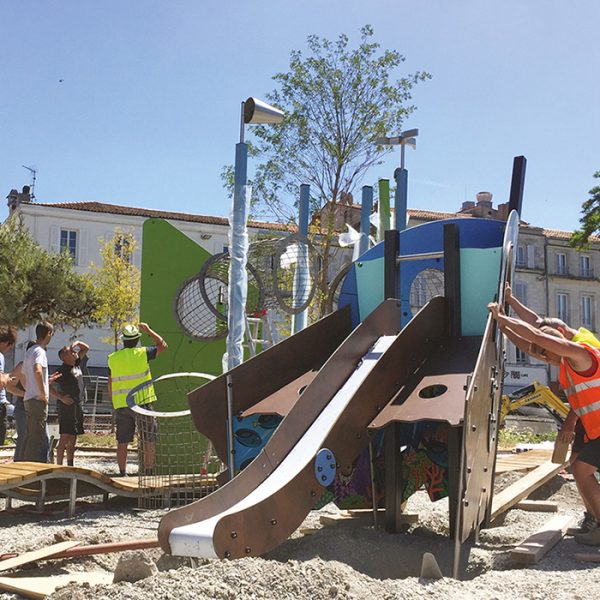
Construction requirements must be anticipated, including access for delivery vehicles, unloading and storage facilities, and the possible presence of gates, fences, utility networks, existing structures or vegetation that needs to be preserved. Identifying these constraints early helps minimise difficulties during construction and allows the work schedule and organisation to be adapted where necessary.
However, the assessment should not stop at the construction phase. It must also consider the future operation of the facility: accessibility for users, pushchairs and people with reduced mobility; access for maintenance operations; circulation around the site; proximity to roads, car parks or bodies of water; sun exposure; and the availability of shade.
Where the surrounding environment presents a hazard, fencing that is itself safe for children can be installed to separate the area from potential dangers. Existing vegetation must also be checked: poisonous plants should be removed, thorny species should be avoided or isolated, and no protruding roots should remain within equipment safety zones.
Best practice: Assess the site as a whole, from construction constraints to everyday operation, before finalising the layout.
Mistake No. 2: Underestimating Visitor Numbers and the Need to Accommodate Different Activities
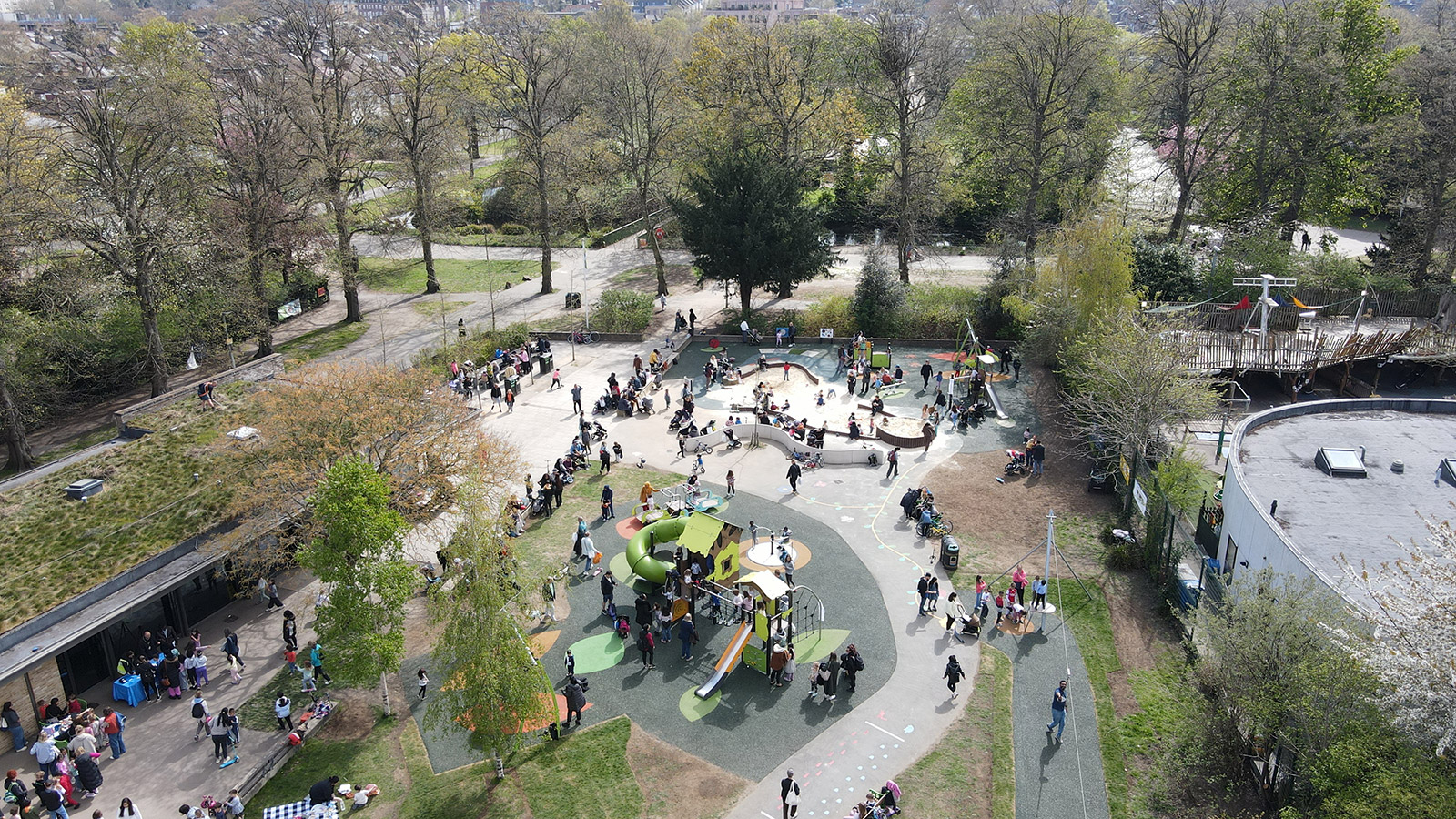
A playground or sports area should be designed around how people will actually use it, rather than simply the available space or the number of pieces of equipment planned.
Visitor numbers depend heavily on the site’s context: the population it serves, proximity to a school, park, campsite or tourist attraction, local habits, opening hours and peak periods.
For a new facility, these factors help estimate the types of users likely to visit, expected visitor numbers and any potential disturbance to nearby residents. When redeveloping an existing facility, observing how the space is currently used also provides valuable insights into the busiest areas, most popular equipment and potential congestion points.
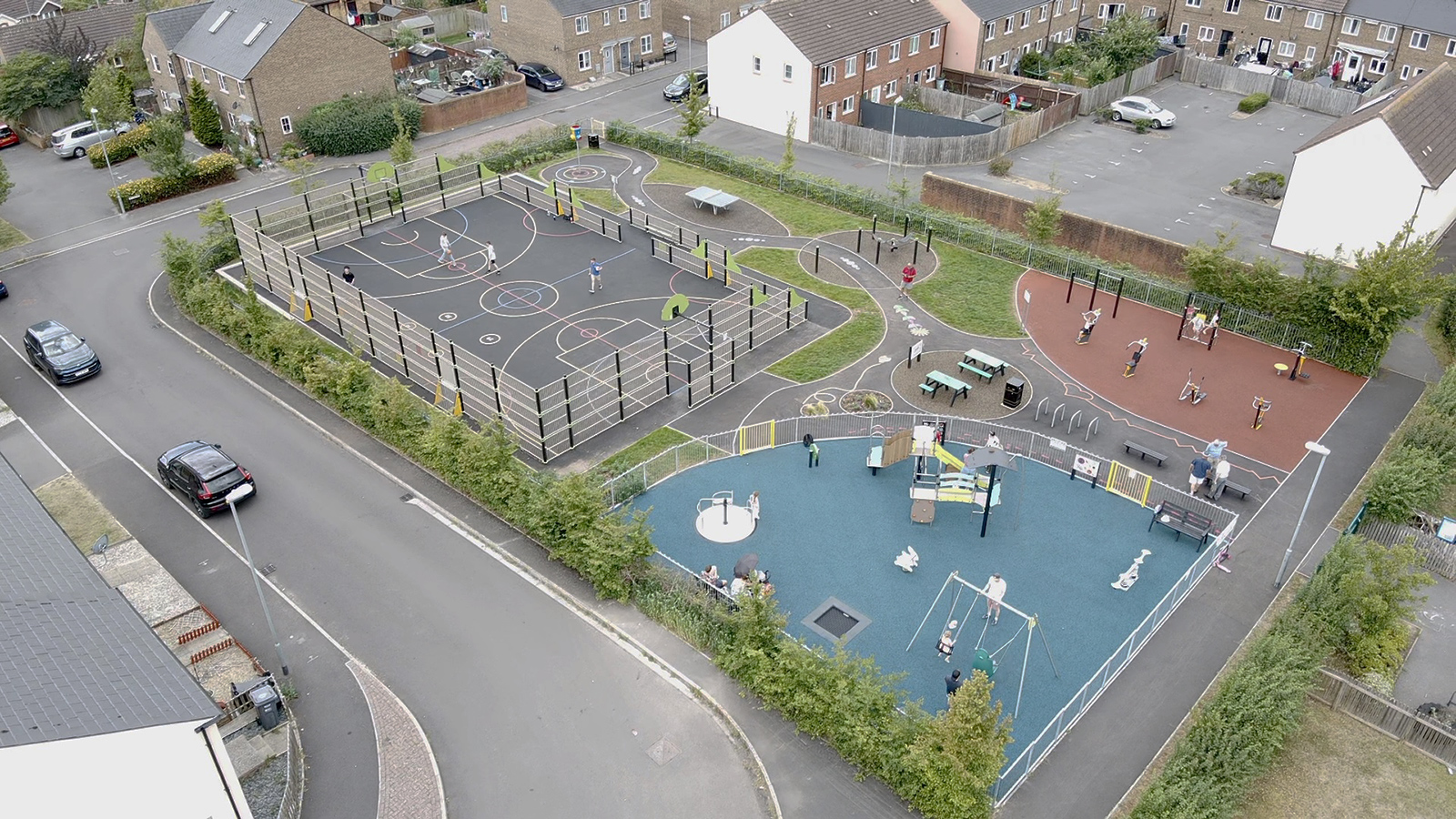
It is equally important to anticipate how different groups and activities will coexist: young children, teenagers, adults, people with disabilities and accompanying adults, as well as active play, sports activities, movement between equipment, rest periods and quieter areas.
If the layout is poorly planned, circulation routes may overlap, certain equipment may quickly become overcrowded, and different users may find it harder to share the space comfortably.
Best practice: Analyse the site’s context and expected visitor numbers. For redevelopment projects, use observations of existing activities to determine the appropriate size and layout of the space and accommodate different users and activities.
Mistake No. 3: Designing the Area Based Solely on an Equipment Catalogue
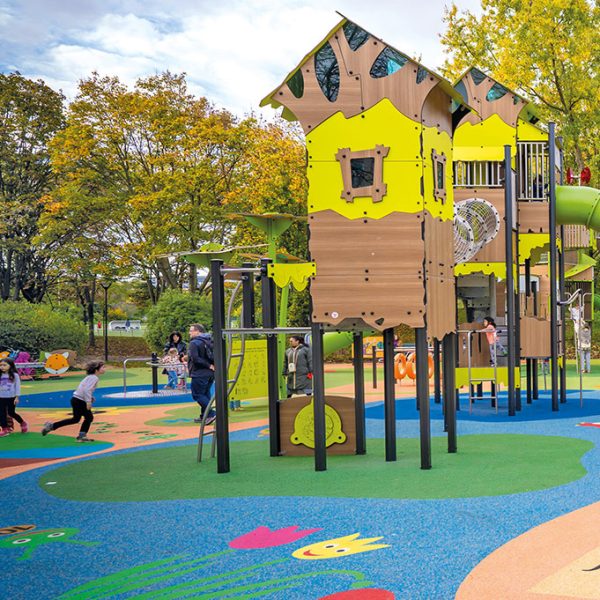
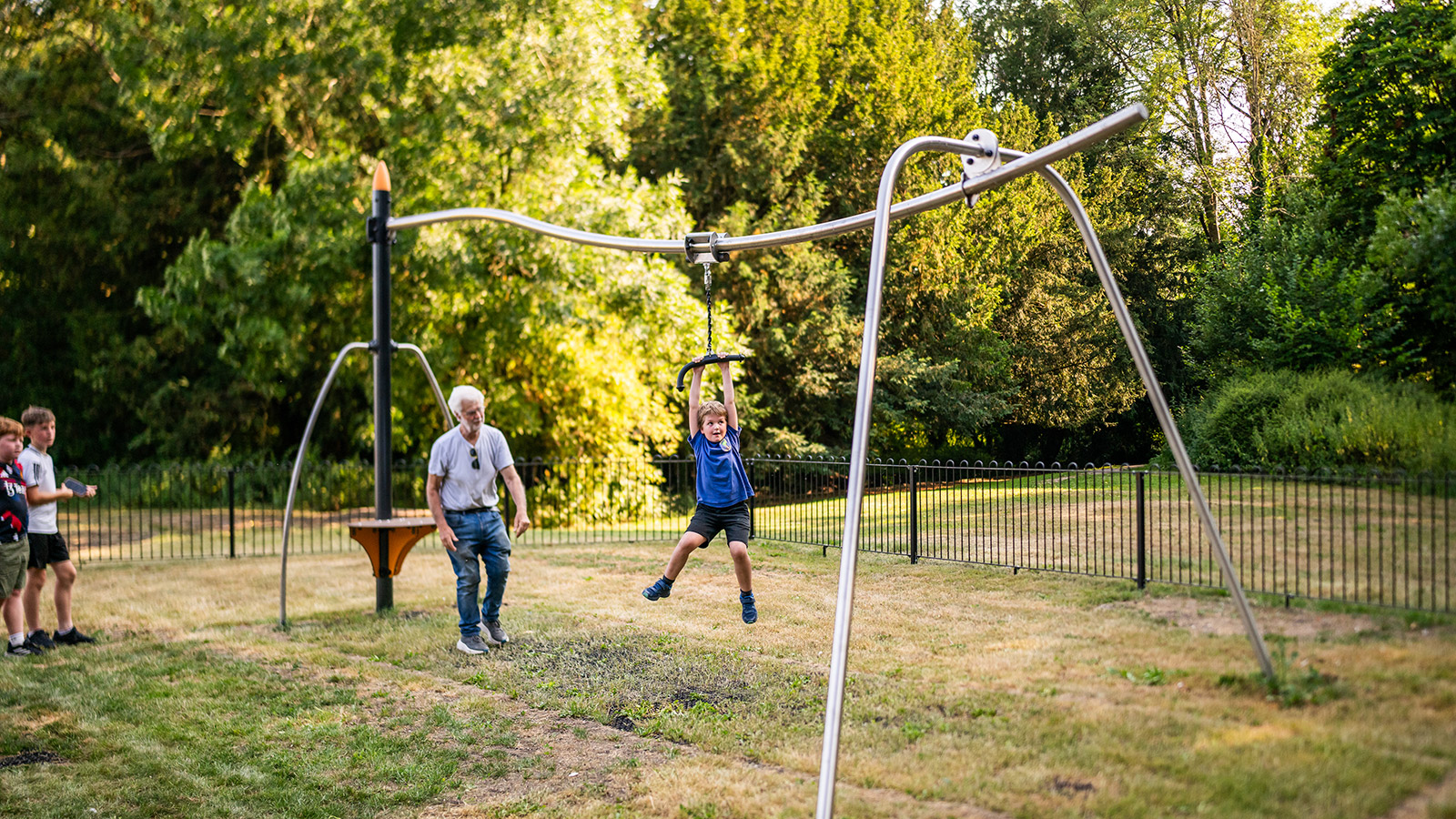
Once the site and its intended use have been clearly defined, the next step is selecting the equipment. The aim is to create a cohesive playground or sports area, with equipment suited to the target users, proposed activities and overall layout.
Age is a key consideration, as it determines the choice of equipment and its level of difficulty. The characteristics of the selected structures then determine fall heights, required safety zones and, more broadly, how the equipment should be positioned within the space.
Age also helps guide the choice of activities, from motor skills and discovery-based play for younger children to physical challenges, group games and fitness equipment for older users.
The selection of inclusive equipment must also be considered at this stage. It is not simply a matter of providing one accessible piece of play equipment, but of recognising different types of disabilities, varying levels of independence and the opportunity for everyone to participate fully in the activities on offer.
Finally, the equipment should be designed as a coherent whole: offering a variety of experiences, avoiding unnecessary duplication, balancing difficulty levels and positioning structures to maintain clear circulation routes and safety zones.
Each safety zone must be assessed individually for every piece of equipment. These areas must remain free from obstacles unrelated to the play activity, while hazardous zones around swings, roundabouts and moving equipment must be clearly identified.
Playground compliance depends not only on the equipment itself, but also on its positioning, safety distances, accessibility and the overall organisation of the space.
Best practice: Start by considering the intended users, their abilities and the activities they want to enjoy, then select a coherent, complementary combination of equipment suited to the project.
Mistake No. 4: Focusing on Equipment Users While Overlooking Those Accompanying Them
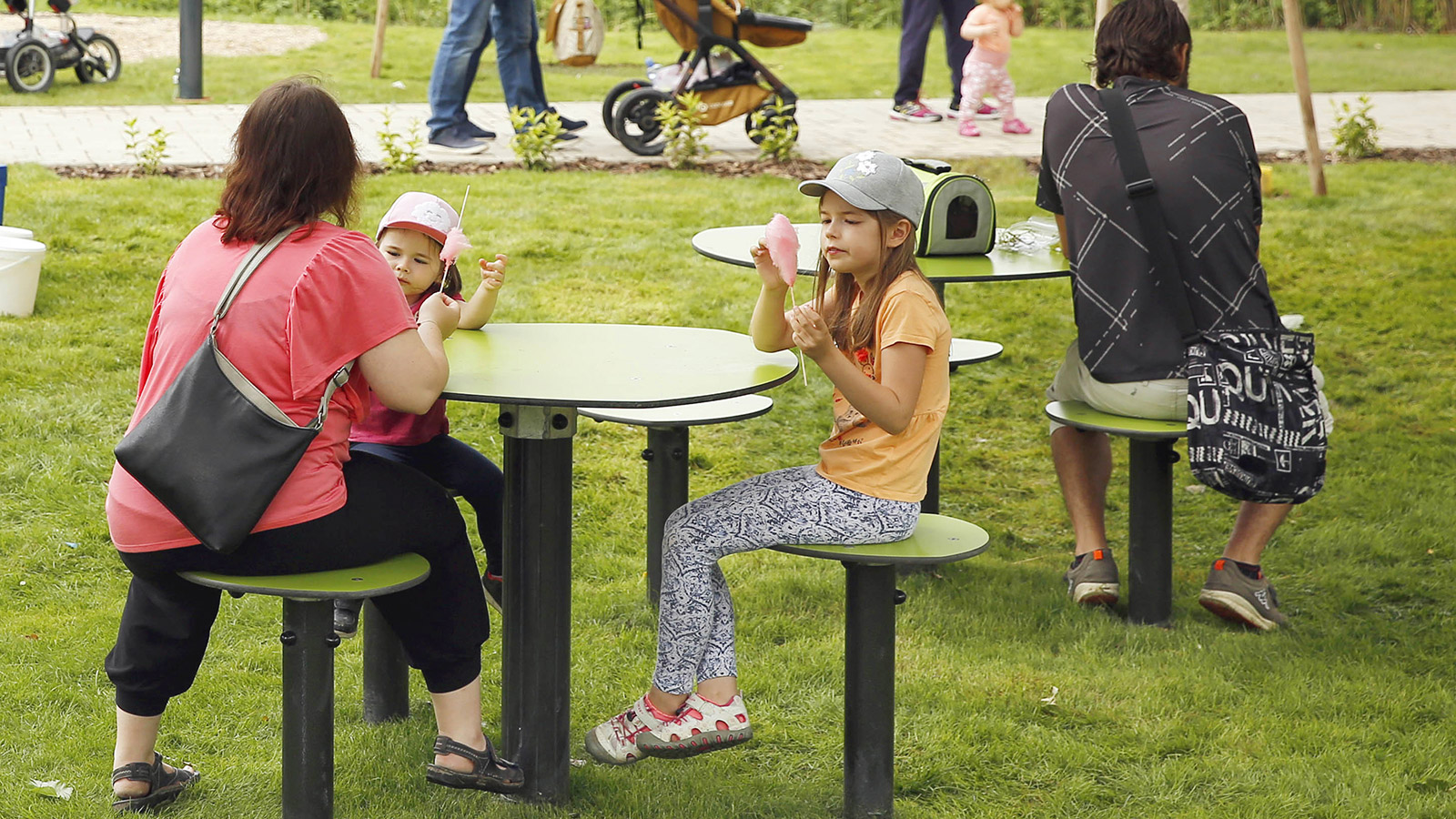
A playground or sports area is not just for the people directly using the equipment. Parents, grandparents, teachers and other accompanying adults may spend considerable time on site, and their comfort directly influences how frequently the facility is used.
It is therefore essential to provide spaces where accompanying adults can remain nearby in comfortable conditions. This includes well-positioned seating, shaded areas, accessible pathways and spaces for resting or socialising.
These amenities should also provide clear sightlines to children and make supervision easier, without obstructing circulation routes or activities.
Such features help create a welcoming, sociable environment and encourage all visitors to feel comfortable using the space.
Best practice: Design the facility as a welcoming community space, taking into account the comfort, visibility and needs of those accompanying equipment users.
Mistake No. 5: Focusing Only on the Initial Investment
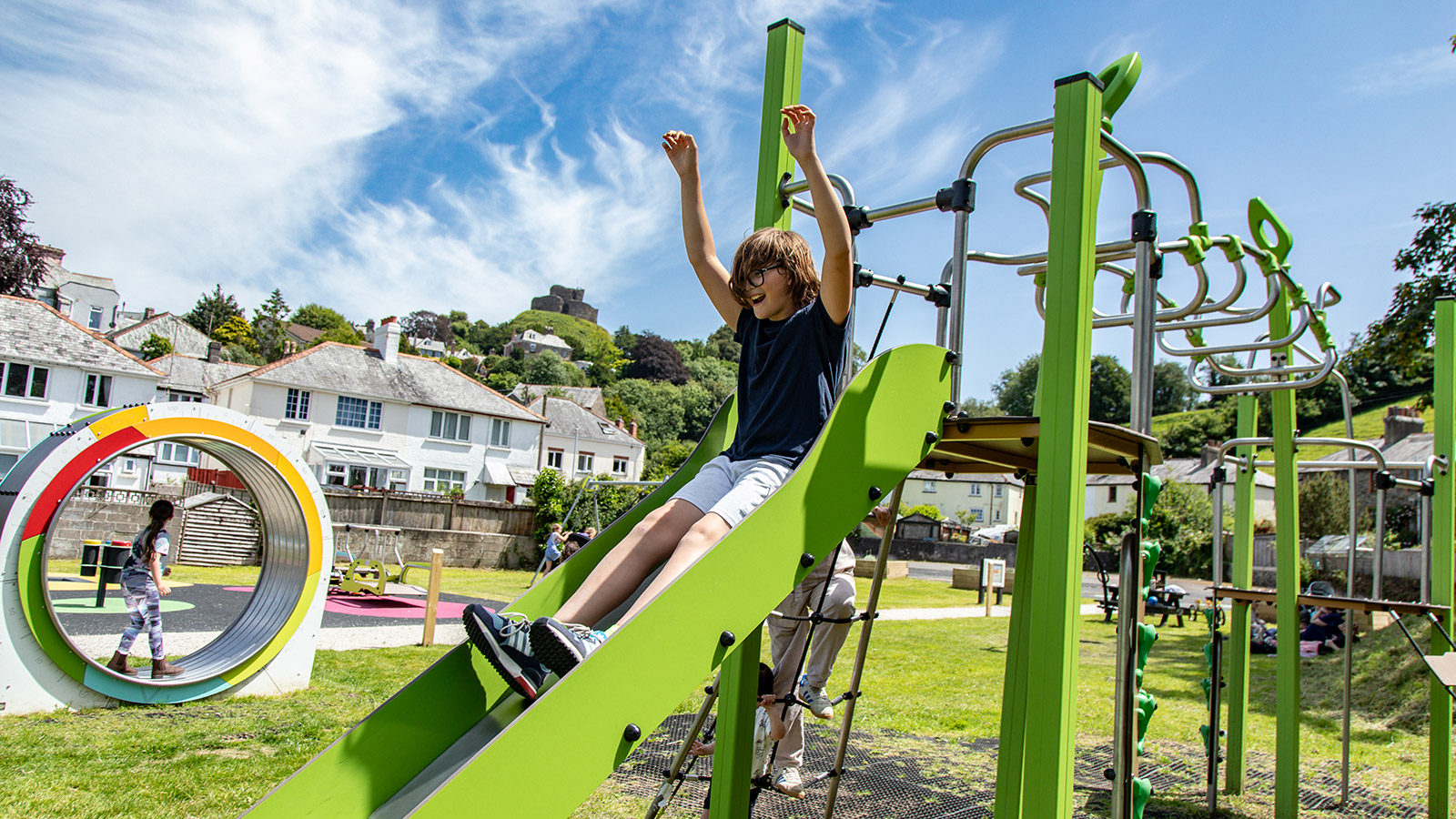
A playground or sports area is designed to be used for many years. Its cost therefore extends beyond the initial investment and also depends on equipment durability, upkeep, maintenance requirements and service life.
The choice of surfacing illustrates this principle particularly well. In fall zones, the surface must be selected according to the installed equipment, its fall height and the characteristics of the ground.
Depending on the solution, impact absorption performance, accessibility, permeability, ease of maintenance, durability and installation requirements can vary significantly.
A solution that appears cost-effective initially may require more maintenance or prove less suitable for the intended activities. The decision should therefore balance price, performance, accessibility, maintenance requirements and durability.
Our comparison of impact-absorbing surfaces explains the key differences between grass, synthetic surfaces, loose-fill materials and resilient surfacing across these criteria.
The same reasoning applies to equipment. Material quality, resistance to intensive use, ease of maintenance, spare parts availability and the ability to carry out repairs quickly all directly influence the overall project cost.
For public playgrounds in France, maintenance is not optional: Decree No. 96-1136 requires operators to establish and follow a site upkeep plan and an equipment maintenance plan.
Taking a long-term approach also means anticipating how the facility may evolve. Needs and habits can change, visitor numbers may fluctuate, and new user groups may emerge.
Planning from the outset for the possibility of replacing, adding or upgrading certain pieces of equipment helps ensure that the facility remains suitable and attractive over the years.
Best practice: Compare solutions based on their entire life cycle and anticipate how the playground or sports area may need to evolve over time.
Avoiding these five mistakes means considering the facility as a whole, from its initial layout through to ongoing maintenance. This is the approach Proludic brings to every project, from design to long-term operation.
Frequently Asked Questions About Standards and Regulations
In France, safety requirements for equipment in public playgrounds are established by Decree No. 94-699 of 10 August 1994, while requirements relating to the playground itself are set out in Decree No. 96-1136 of 18 December 1996.
Equipment manufactured in accordance with the NF EN 1176 series of standards, whose references have been published in the French Official Journal, is presumed to comply with the applicable requirements. Part 7 of this series covers installation, inspection, maintenance and operation.
NF EN 1177 specifies the test method used to determine the critical fall height of impact-absorbing playground surfacing.
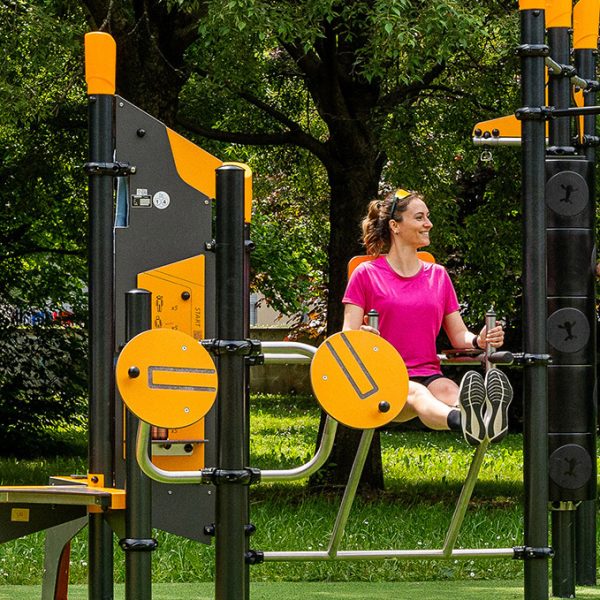
For sports areas, the applicable standards depend on the equipment installed: EN 16630 for permanently installed outdoor fitness equipment and EN 15312 for free-access multi-sports equipment.
In France, Decree No. 96-1136 requires the name or registered business name and address of the operator or site manager to be displayed clearly, legibly and permanently at each entrance to the playground, near each piece of equipment or directly on the equipment itself.
The decree also requires information indicating the intended age range and warnings relating to potential risks of use to be displayed on or near each piece of equipment.
Finally, the operator must keep an operator’s file available for inspection by the relevant authorities. This file must include, in particular, site upkeep and equipment maintenance plans, records of maintenance work carried out and the contact details of equipment suppliers.
Contact us by filling out the form to receive more information!
More Tips from Experts
How to Design Innovative Outlook Playgrounds
Article published on 1 October 2026
Outdoor playgrounds represent a major challenge for local authorities and designers, who must create spaces that do more than simply provide entertainment. They should also support the psychomotor development of younger users and, more broadly, benefit users of all ages. Innovation in the outdoor play sector has led to a fundamental rethink of design approaches,...
Playground Safety: When Can a Playground Be Considered Safe?
Article published on 1 October 2026
A playground must meet certain requirements relating to manufacturing, design, maintenance, management and signage in order to ensure user safety. The European standard governing playground design allows a certain degree of freedom in equipment design in order to preserve its playful and educational nature. Indeed, children need to experience controlled risks, learn to explore and...


