
Article published on 1 October 2026
Creating a playground or sports area involves much more than simply selecting equipment. From the earliest stages of a project, local authorities must take into account a range of technical, regulatory and functional requirements to ensure user safety, compliance and the long-term durability of the development.
Playground and sports area standards now provide an essential framework for securing projects, reducing risks for operators and providing users with recreational spaces that meet their needs.
However, compliance does not only concern the equipment itself. The layout of the space, circulation areas, safety distances, surfacing, accessibility and the coexistence of different activities are also subject to specific requirements.
Meeting standards alone, however, is not always enough to guarantee a successful project. The durability of materials, resistance to intensive use, ease of maintenance and control of operating costs must also be anticipated from the design stage.
How can regulatory requirements be understood and implemented? What key points should not be overlooked? And how can you choose a partner capable of supporting your project over the long term?
Here are the three essential steps to designing a safe, compliant and durable playground or sports area.
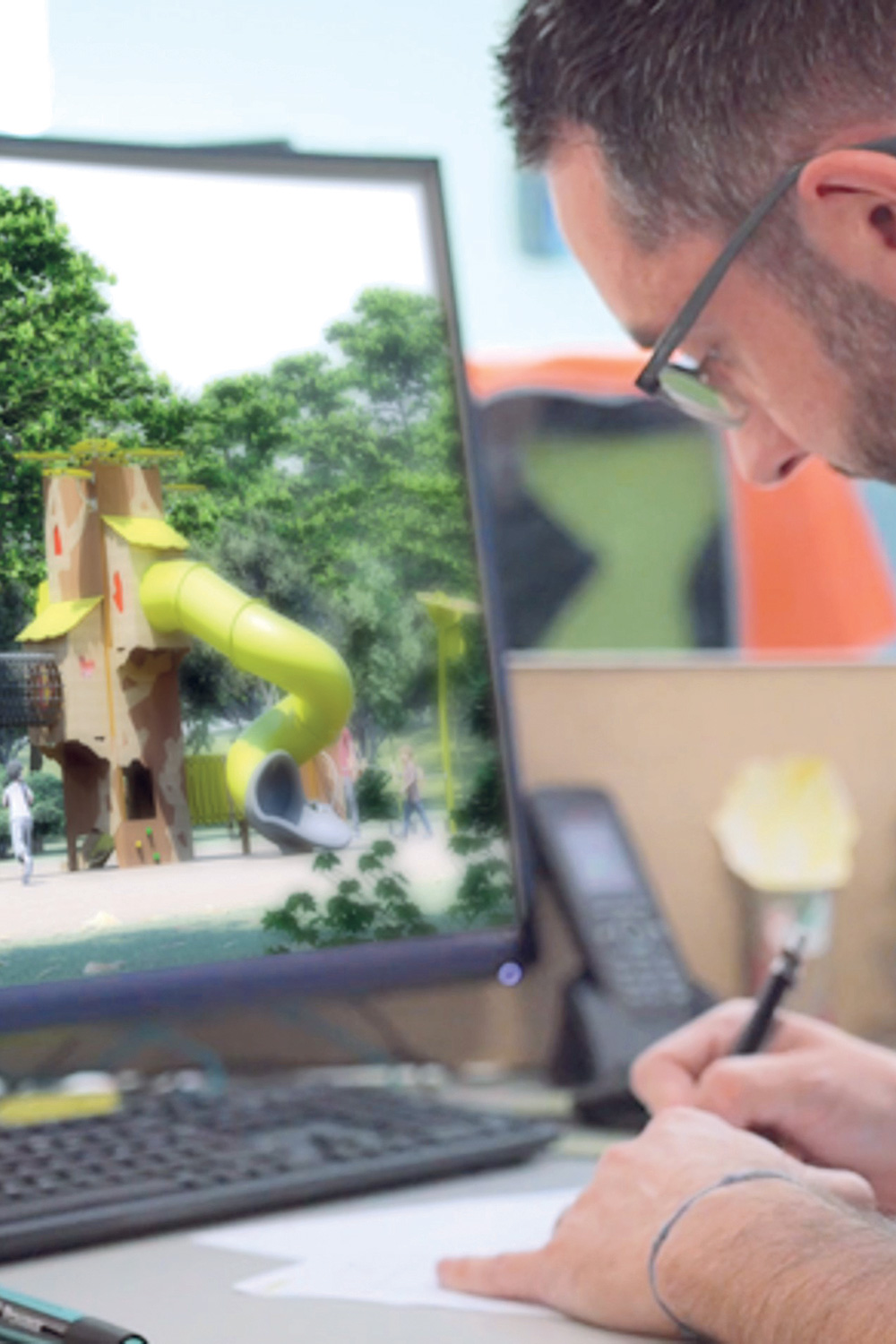
Step 1: Design a compliant playground or sports area from the very beginning
What standards apply to these developments?
When discussing regulations for playgrounds and sports areas, people often focus on the equipment itself. However, project compliance is established well before the equipment is installed.
The positioning of equipment, safety zones, surfacing, pathways and the organisation of the different areas must all be considered from the earliest design stages. Integrating these requirements from the outset helps secure the project, avoid costly modifications during construction and ensure a smooth commissioning process.
The main standards to know
Standards relating to playgrounds and sports areas aim to protect users while providing a framework for the design, installation, inspection and maintenance of facilities.
| Standard | Scope |
| EN1176 | Safety requirements for playground equipment and playgrounds |
| EN 1177 | Impact-attenuating playground surfacing and determination of critical fall height |
| EN 16630 | Permanently installed outdoor fitness equipment for public use |
| EN 15312 | Free-access sports equipment, including multisport pitches |
These standards provide an essential foundation for ensuring a high level of safety and reducing risks for both operators and users.
Consider the space as a whole
Compliant equipment alone does not guarantee the compliance of a playground or sports area. Safety distances, user flows, accessibility and the separation of different activities are equally important.
The objective is to create a coherent, functional and safe environment in which each piece of equipment is integrated harmoniously.
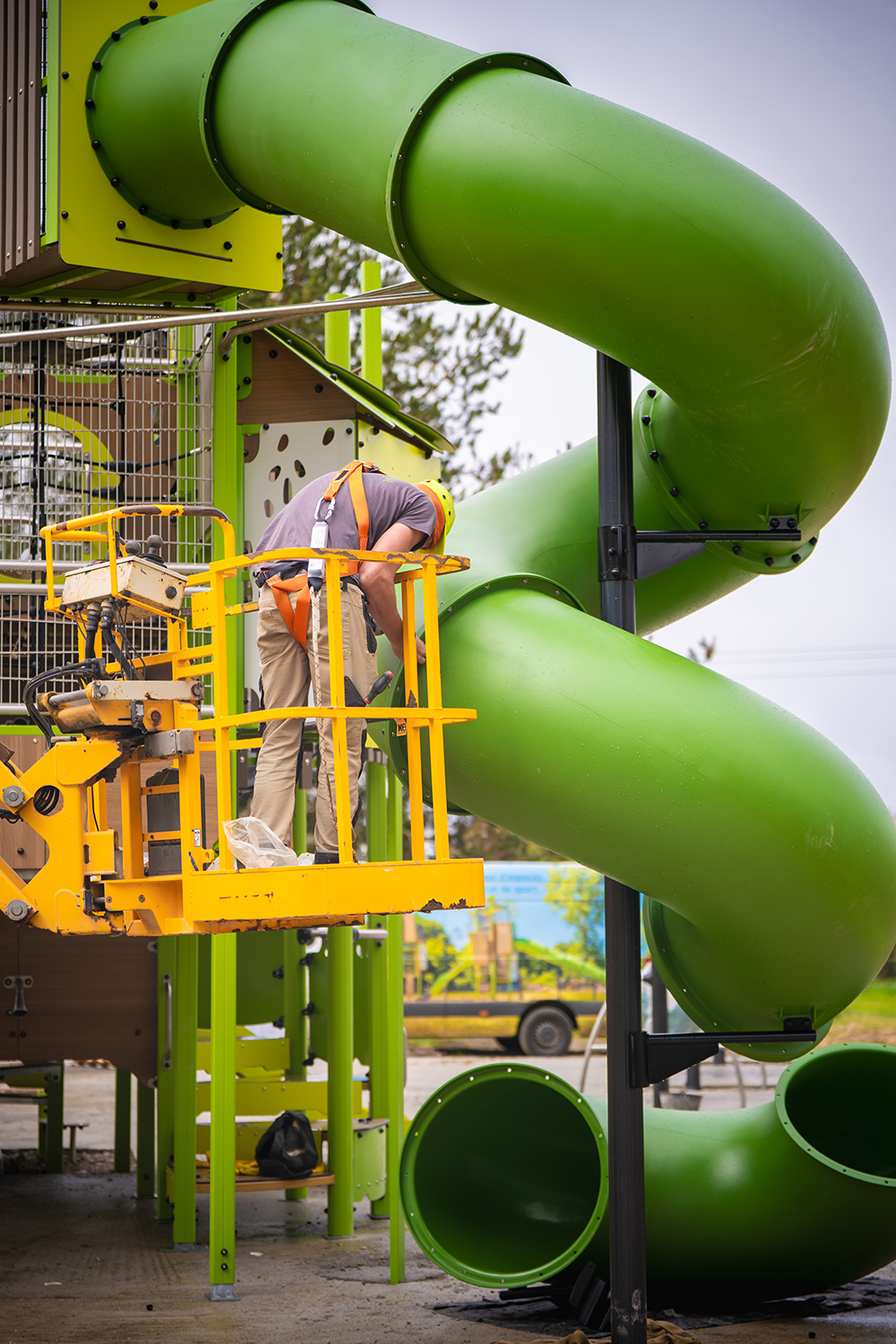
At Proludic, this holistic approach is an integral part of the design of playgrounds and sports areas. From the earliest stages of a project, regulatory, technical and user requirements are taken into account to secure every stage of the process.
Step 2: Design a durable space from the outset
A playground or sports area is a long-term investment. Its success is measured not only by its compliance when it is commissioned, but also by its ability to maintain its safety, functionality and appearance over the years.
Why do some playgrounds age faster than others?
The ageing of a playground or sports area depends on many factors:
- The quality of the materials;
- The installation environment;
- Exposure to weather conditions;
- The level of use and intensity of activity;
- The quality of maintenance;
- The suitability of the equipment selected for the actual uses of the site.
Anticipating these factors at the design stage makes it possible to adapt the equipment and development solutions in order to preserve their performance over the long term.
Materials designed to last
Outdoor equipment is exposed every day to UV rays, moisture, changing weather conditions and repeated use.
The choice of materials is therefore a key factor in the longevity of an installation. Their resistance and long-term performance directly influence maintenance requirements and future operating costs.
Think about maintenance before implementation
The durability and safety of a playground or sports area do not end once it is commissioned. They must be maintained throughout the facility’s entire operating life.
Anticipating inspection, servicing and maintenance requirements from the design stage helps preserve equipment performance, facilitate future interventions and maintain compliance over time.
The availability of spare parts, the expertise of maintenance teams and the ability to respond quickly across the country also contribute to the long-term sustainability of facilities.
A requirement integrated into every stage of the project
At Proludic, durability is an integral part of the design process.
Materials are carefully selected and prototypes undergo extensive testing to assess their resistance to intensive use. This commitment is reflected in the longevity of our installations: according to a worldwide study, more than 90% of Proludic playgrounds with an average age of 16 years are still fully operational and being used safely.
Step 3: Choose a partner capable of guaranteeing quality, compliance and reliability
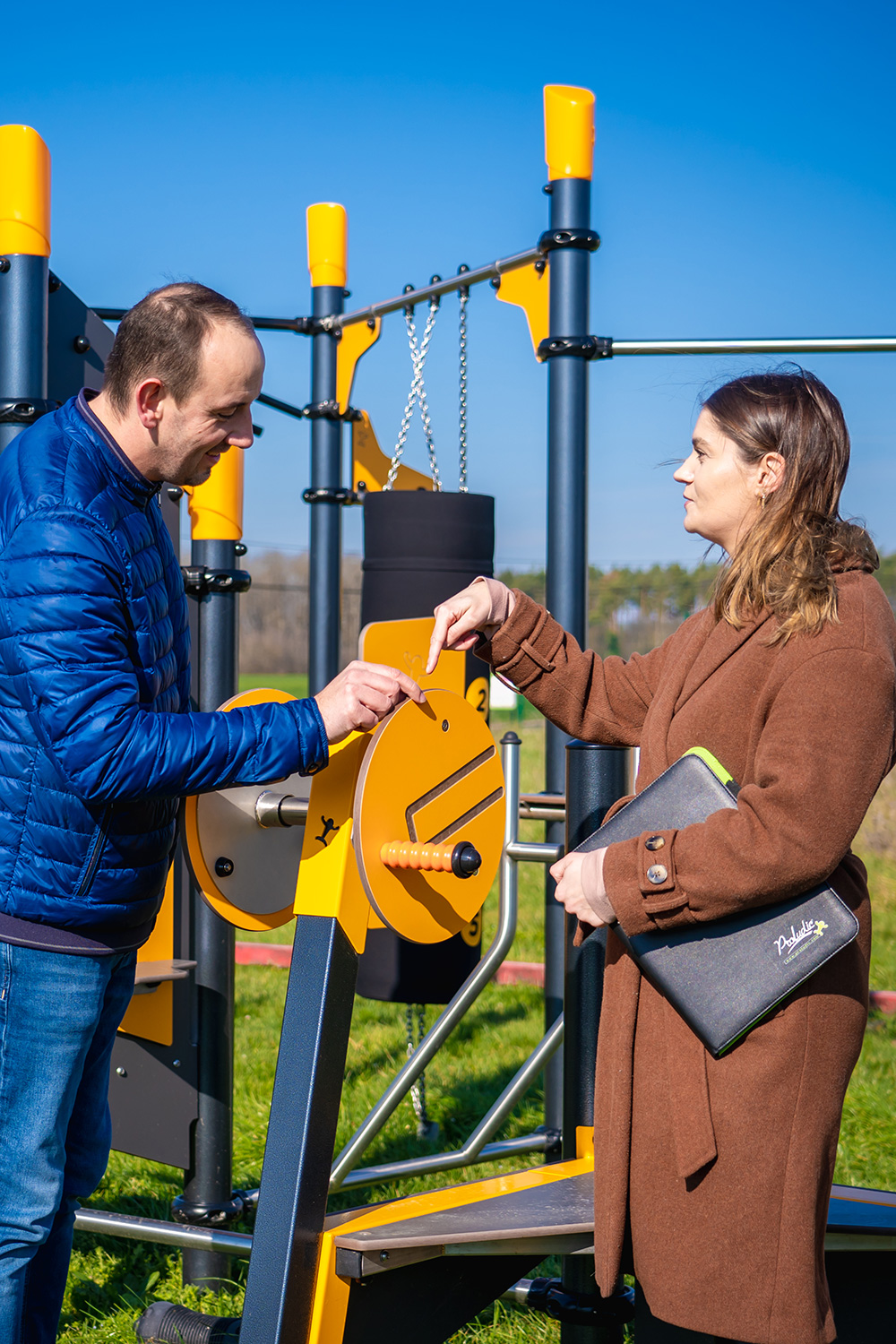
The success of a project also depends on the chosen partner’s ability to manage the entire chain, from design and manufacturing through to installation and maintenance.
Concrete quality guarantees
Beyond compliance with standards, it is essential to be able to rely on certifications, independent audits and rigorous quality control procedures.
At Proludic, all processes are ISO 9001 certified and subject to continuous quality monitoring.
Complete control from design to manufacturing
The ability to design, test and manufacture its own equipment provides a genuine guarantee of quality and responsiveness. Controlling the entire production chain makes it possible to ensure product traceability, monitor quality and provide effective support to local authorities throughout the project.
Long-term support
Installation by qualified teams, regular inspections, servicing and maintenance services also contribute to the safety and long-term durability of facilities.
Working with a partner capable of supporting the project throughout its entire life cycle helps protect the investment over the long term.
Inspections and checks: an essential step in maintaining compliance
The compliance of a playground or sports area does not end when it is commissioned.
Regular inspections make it possible to check the condition of equipment, identify potential damage and maintain the expected level of safety.
Depending on applicable recommendations, several levels of inspection may be carried out:
- Routine visual inspection;
- Periodic operational inspection;
- Annual main inspection.
The most common mistakes when developing a playground or sports area
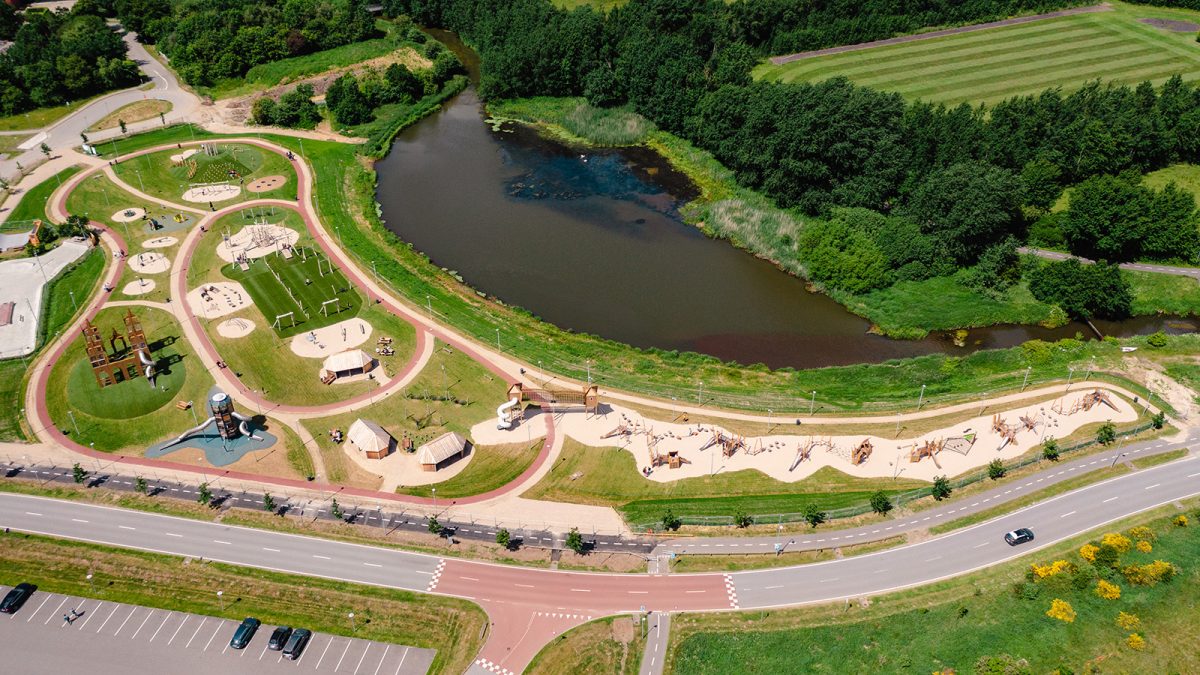
- Underestimating the safety distances between pieces of equipment;
- Choosing surfacing that is unsuitable for the intended uses or fall heights;
- Considering equipment compliance sufficient without taking its surrounding environment into account;
- Neglecting inspection and maintenance operations;
- Failing to anticipate changes in usage and site attendance.
Conclusion: Standards, durability and expertise – the three pillars of a successful project
Designing a high-performance playground or sports area is not simply about complying with applicable standards. It also means anticipating user needs, selecting durable solutions and working with a partner capable of guaranteeing the quality, safety and reliability of the project over time.
This holistic approach has guided Proludic’s philosophy in the design and delivery of its playgrounds and sports areas for almost 40 years.
Frequently Asked Questions About Playground and Sports Area Standards
EN 1176 and EN 1177 are the main safety standards for playgrounds. They cover, in particular, equipment, safety zones and impact-attenuating surfacing.
Yes. Sports areas and certain free-access sports equipment are covered in particular by EN 15312. Outdoor fitness equipment is covered by EN 16630.
Yes. Regular inspections are required to maintain the level of safety and ensure compliance over time.
The owner or operator of the playground remains responsible for ensuring that it is properly maintained and safe for users.
To ensure user safety, several levels of inspection are generally recommended: routine visual inspections, periodic operational inspections and annual main inspections. Their frequency depends in particular on the type of equipment, its environment and its level of use.
Durability depends on several factors: the quality of the materials, the suitability of the equipment for actual usage, the quality of the installation, regular maintenance, and the availability of spare parts and maintenance services.
Project compliance depends on several factors: compliance with applicable standards, the quality of the design, the choice and positioning of equipment, as well as inspections and maintenance throughout the life of the development.
Beyond compliance with standards, it is advisable to assess the provider’s experience, quality certifications, ability to manage design, manufacturing, installation and maintenance, as well as its capacity to provide long-term support.
More Tips from Experts
How to Design Innovative Outlook Playgrounds
Article published on 1 October 2026
Outdoor playgrounds represent a major challenge for local authorities and designers, who must create spaces that do more than simply provide entertainment. They should also support the psychomotor development of younger users and, more broadly, benefit users of all ages. Innovation in the outdoor play sector has led to a fundamental rethink of design approaches,...
Playground Safety: When Can a Playground Be Considered Safe?
Article published on 1 October 2026
A playground must meet certain requirements relating to manufacturing, design, maintenance, management and signage in order to ensure user safety. The European standard governing playground design allows a certain degree of freedom in equipment design in order to preserve its playful and educational nature. Indeed, children need to experience controlled risks, learn to explore and...


